
If you are using a continuous glucose monitor (CGM), find out why you should also be using a blood glucose meter (BGM) as part of your daily diabetes care routine.
What is a continuous glucose monitor, and how does it work?
A continuous glucose monitor (CGM) is a wearable device that tracks glucose levels throughout the day and night. Instead of measuring glucose from a fingerstick blood drop, it uses a tiny sensor filament placed just under the skin to measure glucose in interstitial fluid (the fluid around your cells).
Continuous glucose monitoring (CGM) can be a convenient way to monitor your glucose level and daily glucose readings in real time. However, experts, leading organizations and many CGM manufacturers agree that patients using CGM should also have access to a blood glucose monitor, in particular in these instances:1-6
Before meals, to give you a chance to adjust the meal insulin dose and improve overall glucose control.
If there are concerns that CGM readings do not reflect your current blood glucose level.
To detect hypoglycemia, including episodes of low blood glucose, in situations such as:
- before bedtime
- before driving
- when rapidly changing glucose (e.g. before, during and after exercise)
- when hypoglycaemic symptoms occur
Understanding your glucose monitoring options
People with diabetes, especially those on insulin therapy or using insulin pumps, must regularly check their glucose levels as part of daily self monitoring. There are different types of glucose monitoring system options available for people managing diabetes.7,8 The two most common are:

Blood Glucose Monitoring (BGM) systems measure glucose levels in the blood.1,2 They require blood glucose test strips, a lancing device, and a small drop of blood taken from the fingertip.

CGM and Flash Glucose Monitoring (FGM) systems measure glucose within interstitial fluid (IF) – the fluid between the cells in your body, and provide continuous glucose readings throughout the day and night.
Why is it important to have a BGM with a CGM?
Time Delay or Lag
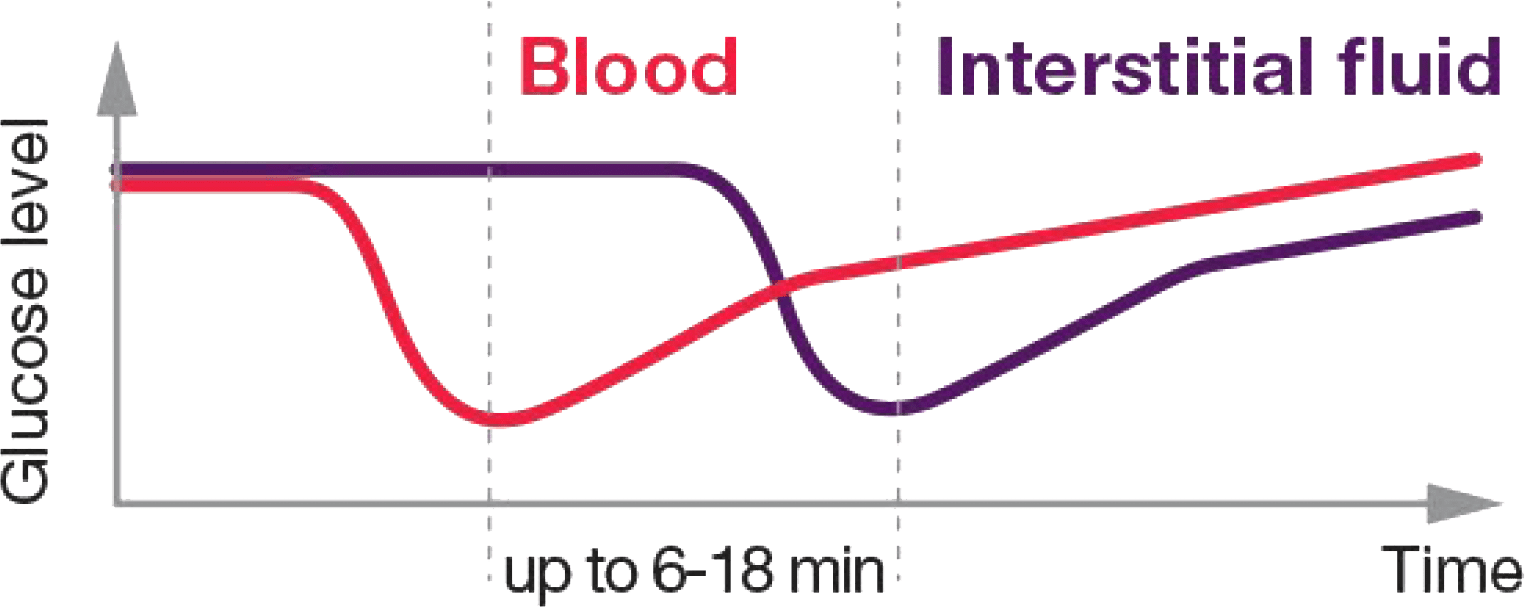
Blood and interstitial fluid glucose values are not equivalent, and can take from 6 to 18 minutes for interstitial fluid values measured by a CGM to reflect the glucose levels shown by a BGM. This delay may impact real-time glucose testing decisions, meaning you could be making choices based on older information.9
Accuracy Differences
The accuracy of CGM systems can also vary throughout the day, due to daily activities and factors that may cause high blood glucose or low glucose fluctuation.13 This is why CGM manufacturers state that everyone using their systems should also have access to BGM.1,3-6
When do I need a blood glucose meter (BGM)?
There are a number of situations where you will need to check your glucose levels using a BGM1-6
When you are not using your CGM device (breaks in CGM use, sensor drop-off, other)
Stay in control of your health even when your continuous glucose monitor (CGM) isn't working. If your sensor falls off or you are taking a break in CGM use11, always ensure you have a BGM and glucose test strips available as a backup. Having access to proper blood glucose testing supplies supports consistent glucose control while living with diabetes, allowing you to manage unexpected issues with confidence.

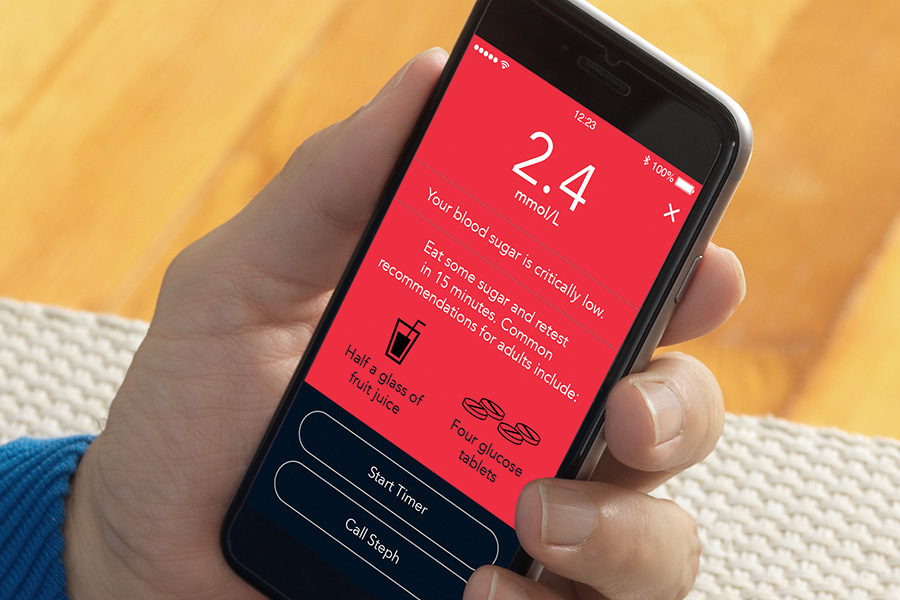
When you suspect hypoglycemia or hyperglycemia, or recovering from either
If you think your blood sugar is too low or too high, or if you're recovering from an episode10,11, It's important to check your levels promptly. Confirming with a meter helps maintain safe glucose control and reduces the risk of complications.
When your symptoms do not match the sensor reading12
If your symptoms do not match your CGM data, check your blood sugar using a finger prick test with a lancet.11,12 Confirming with a blood glucose meter ensures you have accurate information to guide your diabetes management decisions.


Before performing critical tasks such as driving or operating heavy machinery
Driving: Make sure you and everyone else are safe on the road by checking your blood sugar before driving using a reliable blood glucose test10,11. For people with diabetes, having a blood sugar level above 4 mmol/L is important to avoid low blood glucose, which can slow your reactions and make it harder to make the right decisions.
Did you know?
Scientifically proven, CONTOUR®NEXT GEN has accuracy that exceeds Health Canada recognized industry standards by nearly 3x~†14,15, helping to ensure better glycemic control.
~Minimum accuracy requirements of ISO15197: 2013 Section 6.3 standard require ≥95% of the measured values to fall within ±0.83 mmol/L at glucose concentrations <5.5 mmol/L or within ±15% ≥5.5 mmol/L of the referenced method.
†An ad hoc analysis demonstrated that 95% of the results were within the error range ±0.3 mmol/L or ±5.3% of the laboratory reference values for glucose concentrations <5.5 mmol/L or ≥5.5 mmol/L, respectively.
1. Diabetes Canada Clinical Practice Guidelines Expert Committee. Diabetes Canada 2018 Clinical Practice Guidelines for the Prevention and Management of Diabetes in Canada. Can J Diabetes. 2018;42(Suppl 1):S1-S325.
2. Holt RIG et al. Diabetes Care. 2021;44(1):2589–2625.
3. Minimed 780G System User Guide. M994838A001.
4. Freestyle Libre 2 User's Manual. ART47971-001 Rev. A 06/2023.
5. Dexcom G7 CGM User Guide. AW-1000006-03 Rev 002 MT-1000301-03. Rev Date 06/2024.
6. Dexcom G6 User Guide. LBL016369 Rev 005 MT25355. Rev Date: 2023/09.
7. Freckmann G et al. J Diabetes Sci Technol. 2019;13(3):575–583.
8. Richardson & Shaginian. Hypoglycemia Detection in Diabetes. 2022.
9. Choudhary P et al. Diabetes Technol Ther. 2011;13(1):1121–1127.
10. Aniruddha D.I. et al (2020) Structured Blood Glucose Monitoring in Primary Care: A Practical, Evidence-Based Approach. Clin Diabetes; 38 (5): 421–425. https://doi.org/10.2337/cd20-0045.
11. Diabetes Canada Clinical Practice Guidelines Expert Committee. Diabetes Canada 2018 Clinical Practice Guidelines for the Prevention and Management of Diabetes in Canada. Can J Diabetes. Chapter 9: Blood Glucose Monitoring in Adults and Children with Diabetes: Update 2021.
12.Gesslbauer, M., K (2022, September). Assessment of accuracy and glycemic control of FGM and CGM and impact on mental well-being. In Current Directions in Biomedical Engineering (Vol. 8, No. 2, pp. 5-8). De Gruyter.
13. Pleus S et al. J Diabetes Sci Technol. 2021;1932296821992373.
14. Pleus S et al (2022) User Performance Evaluation and System Accuracy Assessment of Four Blood Glucose Monitoring Systems With Color Coding of Measurement Results. J Diab Sci and Technol;1-9.
15. International Organization for Standardization. In vitro diagnostic test systems – requirements for blood-glucose monitoring systems for self-testing in managing diabetes mellitus (ISO 15197). International Organization for Standardization, Geneva, Switzerland, 2013.